Chat and voice AI revolutionize customer service by streamlining interactions, personalizing experiences, and delivering efficient support. Enterprises implementing unified AI solutions can use these capabilities to resolve customer issues effectively and improve service delivery. This article explores how AI tools like chatbots and voice assistants work, their benefits, and the steps needed for successful integration, alongside insights into the omnichannel AI approach.
What is AI in Customer Service?
AI in customer service uses artificial intelligence to automate responses, understand queries, and address issues efficiently. Common tools include chatbots and voice assistants, which refine interactions by anticipating needs and tailoring services.
Key Benefits Include:
- Efficiency and Scalability: AI can handle multiple interactions simultaneously, offering quick responses.
- Cost Reduction: Automating frequent queries significantly reduces the need for large service teams.
- 24/7 Availability: AI ensures continuous service availability, thereby enhancing customer engagement.
How Does Chat AI Improve Customer Service?
Chat AI improves service by providing real time support and customized interactions. AI chatbots can address FAQs quickly and escalate complex issues to human agents for a better user experience.
Advantages of Chat AI:
- Fast Response Times: AI driven chat systems offer instant answers, minimizing wait times.
- Consistency in Communication: Standardized responses ensure accurate customer information.
- Data Insights: Interaction data helps understand customer needs and refine strategies.
How Voice AI Complements Customer Service
Voice AI enhances service by efficiently managing phone interactions and providing a natural communication method, especially for customers who prefer verbal interactions.
Key Benefits of Voice AI:
- Multilingual Capabilities: Voice AI supports multiple languages, broadening reach.
- Integration with Systems: Seamless integration with backend systems enables real time data use and context retention.
Learn more about AI customer support automation.
What is Omnichannel AI?
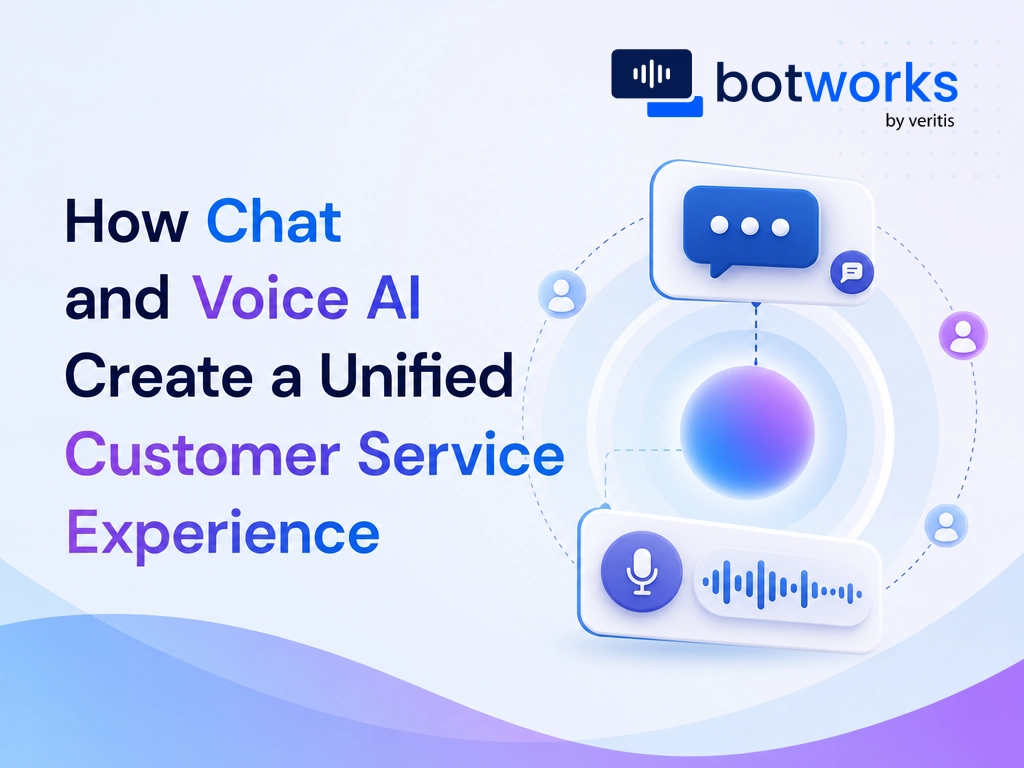
Omnichannel AI integrates across various customer interaction channels to provide a unified service experience. This approach ensures consistency and high service quality regardless of the customer’s chosen communication platform.
Why an Omnichannel Customer Experience Matters
An omnichannel experience is crucial for meeting modern customer expectations. It provides a seamless journey across all touchpoints, improving satisfaction and loyalty.
- Consistent Experience: Ensures consistent customer service across platforms.
- Improved Satisfaction: Enhances customer experience by meeting customer preferences.
- Efficiency: Streamlines efforts across channels and optimizes resource use.
What Makes AI Essential for Omnichannel Support?
AI is essential for omnichannel support as it provides comprehensive context analysis and intelligent response support. AI tools collect and analyze vast customer data, enabling better service delivery.
Key Elements:
1) Comprehensive Context Analysis: AI understands and utilizes context from customer interactions.
2) Intelligent Response Support: Provides relevant and proactive service suggestions.
Explore additional insights on AI customer insights.
Understanding Omnichannel Customer Service
Omnichannel customer service refers to providing seamless and consistent support across various communication channels, such as phone, email, chat, social media, and in person interactions, adapting to customer preferences.
Omnichannel vs. Multichannel Customer Service
- Omnichannel: Offers a unified service experience, integrating customer information across platforms.
- Multichannel: Provides multiple service platforms without integrated experiences across different channels.
Omnichannel Customer Authentication for Security
In an omnichannel setup, customer authentication is vital for maintaining security across all interactions.
- Biometrics: Use of voice or facial recognition to authenticate customers securely.
- Two Factor Authentication: Verifying identity via additional personal channels, enhancing security.
Example: Northmill Bank’s Omnichannel Success
Northmill Bank has successfully integrated omnichannel customer service to simplify processes for both agents and customers.
- Streamlined Processes: Agents efficiently manage customer queries using unified AI solutions.
- Enhanced Customer Experience: Real time and consistent service improves customer satisfaction.
How AI Enables True Omnichannel Support
AI facilitates seamless omnichannel support by managing interactions and integrating data across platforms.
- Identifying Customer Needs: Predictive analytics provide insights into preferences and behavior.
- Streamlined Support: AI harmonizes data from multiple channels to deliver personalized experiences.
Channel Coverage That Moves the Numbers
Effective channel coverage is crucial for maximizing customer engagement and response rates. AI can optimize channel performance to achieve business targets.
4 Tech Stack Requirements for Omnichannel AI
Integrating AI in a service model involves several technical requirements:
1) Scalable, Real Time Customer Data: Systems must manage large datasets efficiently, allowing instant access to customer information.
2) Predictive Analytics: AI must predict customer needs based on past interactions.
3) Middleware Platform: This integrates various software applications to support smooth data flow.
4) AI Agents: These enable personalized responses and can handle complex queries autonomously, escalating when necessary.
How to Create a Unified Customer Experience with AI
Creating a unified customer experience requires a seamless journey across customer touchpoints.
Steps to Implement:
1) Map Your Customer Journey: Document each customer interaction to identify improvements.
2) Automate Your Engagement Strategy: Utilize chatbots and voice AI for basic queries and phone based services.
3) Collect and Analyze Customer Data: Employ analytics tools for tracking interactions and ensure system integration.
4) Implement Customer Experience Technologies: Choose AI solutions integrated with CRM systems to provide real time data and adaptive responses.
5) Personalize Customer Interactions: Tailor interactions using customer data for specificity.
Why Choose Botworks for Unified Customer Service?
1) Your Mix. Your Rules.
AI allows for customizable solutions tailored to an organization’s specific needs. By leveraging AI tools, businesses can adjust their service approaches to align with their unique operational goals and customer expectations.
2) Brands like Yours. Outcomes like These.
Many enterprises adopting chat and voice AI have seen measurable enhancements in customer satisfaction and operational efficiency. Explore our product overview to see the transformative impact on businesses similar to yours.
3) Up Within Hours. Smarter Every Day.
Implementing AI customer service solutions is fast, with no code and pre designed integration capabilities that let businesses go live quickly. The systems continue to evolve through machine learning, becoming smarter with each interaction.
Conclusion
To maximize the benefits of chat and voice AI, businesses should integrate these technologies into their service models for boosted satisfaction and efficiency. Start your journey with BotWorks by booking a demonstration. Discover how AI agents create measurable value in customer service.
Explore more case studies and insights into AI customer support automation.
Unify Chat & Voice SupportFAQs: AI Customer Service
How does AI customer service enhance efficiency?
AI boosts efficiency by automating responses, managing multiple interactions, reducing wait times, and allowing human agents to focus on complex tasks.
What are the main benefits of chat AI in customer service?
Chat AI offers rapid responses, standardized communication, and valuable data insights for strategic refinement.
How can companies create a unified customer experience through AI?
Companies can unify the experience by mapping customer journeys, automating engagements, collecting data, and personalizing interactions.
Is omnichannel AI customer service secure?
Yes, omnichannel AI customer service is secure as it incorporates robust authentication methods such as biometrics and two factor authentication to protect customer data.
How quickly can AI solutions be deployed for customer service?
AI solutions can typically be deployed within hours due to no code platforms and pre built integration capabilities.